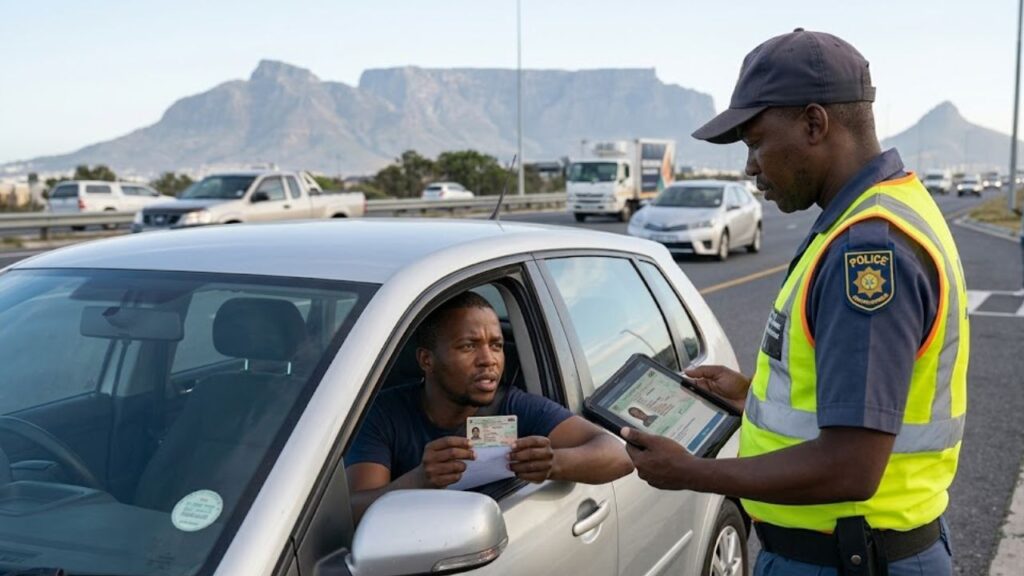
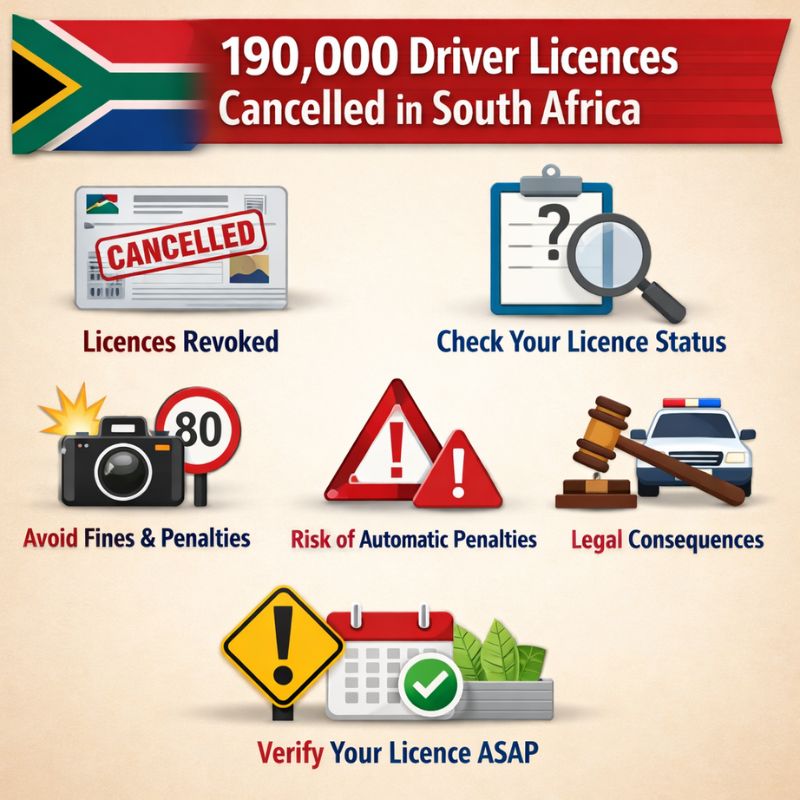
Due to widespread fraud and poor administration issues, the South African government revoked roughly 190,000 driver’s licenses from the country’s driver’s licensing system in 2026 and 2027.
License Revocation
190,503 licenses were eventually revoked after investigating corruption in the DLTCs and reviewing transactions on the various licenses issued. The discovery of licenses in the names of deceased individuals raises the possibility that national electronic system license records were inaccurate or there were issues with licenses’ distribution process.
The Special Investigating Unit SIU is addressing a larger issue that includes the revocation investigation process. They are searching for flaws in the electronic National Traffic Information System (eNaTIS) of South Africa currently.

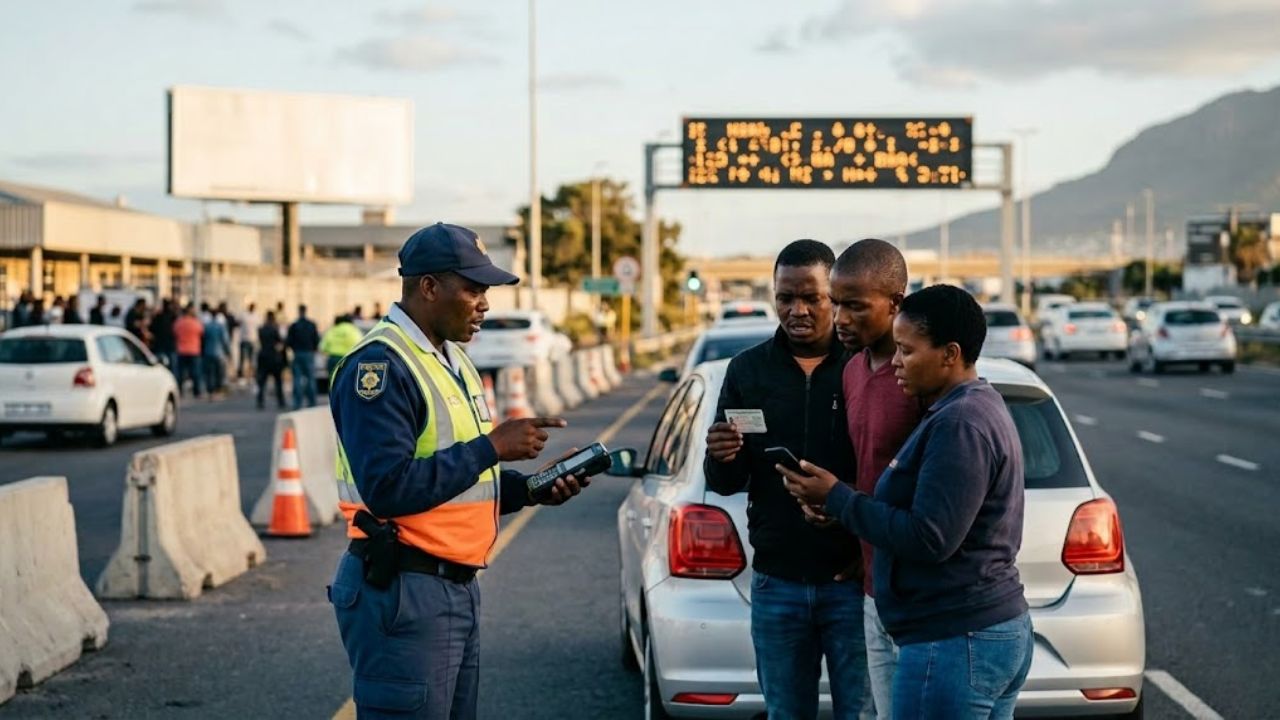

Reasons for Cancellations
Many licenses were granted or manifested incorrectly as a result of officials and middlemen linking license details at random, weakening the system overall. The issuance of licenses to deceased individuals was one of these agents of violation; this case presents both logical and legal issues involved.
About R15 million was returned to the various Provincial Transport Departments as a result of the SIU’s investigation. This was money lost as a result of license frauds in various departments involved. _Driver Licenses Cancelled 2026 _Effects and What Happened Next developments
One crucial event that needs to be observed is the cancellation time: The show assumes a deep graftula in the state’s corrupt traffic and licensing department, which has been severely impacted by poor provincial management. It was a widespread act of fraud because many of the cancelled licenses were issued in different provinces. The numpties exhibit no loyalty at all, and the “saboteurs” (sellers of “rural ubantu standards”) don’t appear to be in any way decentralized or provincial systems.

For the people today
Drivers whose licenses have been revoked will shortly receive a letter from the Department of Transportation or the local licensing authority offices. These individuals will, at minimum, be required to provide documentation of their identity and license status verification. In certain situations, they might even need to reapply for a license while addressing any fraudulent activity.
Context of a Greater Range
This operation takes place concurrently with efforts by President Cyril Ramaphosa’s administration to strengthen state systems such as eNaTIS and prevent corruption in the public sector. Driving and vehicle incidents are monitored nationwide by eNaTIS.

Transparency and, most importantly, the government’s responsibility for public processes become crucial during an enforcement operation aimed at regaining people’s trust and making roads safer—something that is all too frequently avoided in unique conversations.